The Evolution of Dental Labs in Modern Healthcare
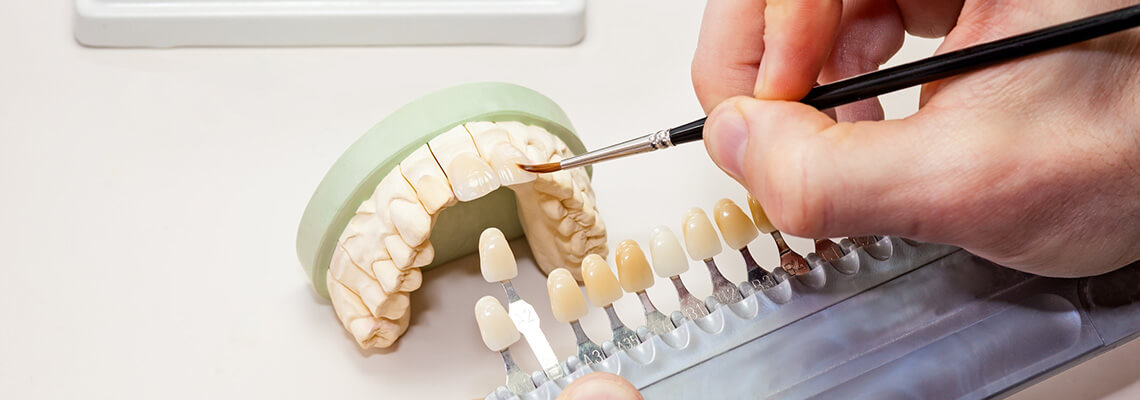
For decades, the dental laboratory was defined by the image of a lone technician working with a Bunsen burner, wax knives, and plaster molds. It was an industry built on artisanal skill, manual dexterity, and patience. While artistry remains the core of dental restoration, the tools and processes have undergone a radical transformation. Today, the modern dental lab looks less like a workshop and more like dental labs a high-tech engineering facility, driven by data, digitization, and advanced manufacturing.
This evolution is not merely aesthetic; it represents a fundamental shift in how dental healthcare is delivered. The integration of Computer-Aided Design and Computer-Aided Manufacturing (CAD/CAM) has revolutionized the workflow between clinics and laboratories. In the past, physical impressions—often uncomfortable for the patient and prone to distortion—had to be shipped to a lab. Now, intraoral scanners capture thousands of images per second to create a precise digital map of the oral cavity. This digital file is sent instantly to the lab, cutting days off the turnaround time and significantly reducing the margin for error.
The Rise of Additive Manufacturing
Perhaps the most significant driver of this evolution is 3D printing, or additive manufacturing. While milling machines (subtractive manufacturing) became a staple for creating crowns from solid blocks of ceramic, 3D printing has unlocked new possibilities for scalability and complexity.
Industry trends indicate a massive surge in the production of 3D-printed dental models, surgical guides, and clear aligners. This technology allows laboratories to produce high-volume batches of customized products with minimal waste. Where a technician once hand-poured plaster models one by one, a printer can now fabricate a dozen intricate models simultaneously with micron-level accuracy.
Material Science Innovation
The evolution of hardware has been matched by rapid advancements in material science. The era of metal-based restorations—gold crowns and porcelain-fused-to-metal (PFM)—is steadily declining. In its place, monolithic zirconia and lithium disilicate have become the gold standard.
These modern ceramics offer a unique combination of strength and esthetics. Early versions of high-strength ceramics were often opaque and chalky, but modern variations feature translucency gradients that mimic natural tooth enamel. This shift allows labs to produce restorations that are virtually indistinguishable from natural teeth while being durable enough to withstand the immense bite forces of the posterior jaw.
The Role of Artificial Intelligence
The next frontier, which is already reshaping the landscape, is Artificial Intelligence (AI). Dental labs are increasingly utilizing AI-driven design software to automate the creation of crowns and bridges. By analyzing millions of successful restoration designs, AI algorithms can propose a near-perfect design for a specific patient within seconds. This allows technicians to shift their focus from routine design tasks to complex, aesthetic characterization and quality control.
The modern dental lab has evolved from a support service into a critical technology partner. By embracing digital workflows, advanced materials, and automation, these facilities are enabling faster treatment, better clinical outcomes, and a patient experience that is far superior to the analog days of the past. As technology continues to accelerate, the line between clinical dentistry and laboratory engineering will only continue to blur.
Proudly powered by WordPress. Theme by Infigo Software.