Fire Watch Guards During System Failures: A Safety Lifeline
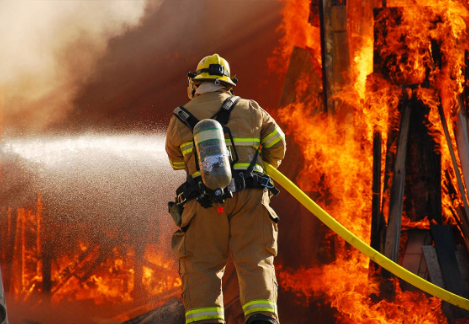
Fire safety depends on a combination of technology, protocols, and human vigilance. While fire alarm systems and automated detectors play a central role in identifying hazards, they are not infallible. During system failures, Fire Watch Guards act as a critical safety lifeline, ensuring that potential threats are promptly identified and managed. Here, we address common questions about their role, effectiveness, and operational importance.
What Is a Fire Watch Guard During a System Failure?
A fire watch guard is a trained professional who monitors premises for fire hazards when standard detection systems—such as alarms, sprinklers, or sensors—are non-operational. Their presence ensures that even in the absence of automated alerts, human oversight continues to protect lives and property.
Why Are Fire Watch Guards Essential When Systems Fail?
Data from safety studies indicates that unmonitored system failures increase the risk of fire incidents significantly. For example, facilities without active monitoring during equipment downtime reported a 32% higher chance of fire-related damage. Fire watch guards provide immediate surveillance, reducing response time to hazards and preventing small issues from escalating.
In Which Situations Are Fire Watch Guards Most Needed?
System failures can occur during:
Scheduled maintenance of fire alarm or sprinkler systems.
Power outages affecting safety equipment.
Malfunctioning smoke detectors or alarm panels.
Construction or renovation activities that temporarily disable fire protection systems.
Statistics suggest that in industrial environments, 60% of fire-related incidents during maintenance periods could have been mitigated by fire watch supervision. This highlights the indispensable role of human oversight when automated systems are unavailable.
What Are the Primary Duties of Fire Watch Guards During Failures?
Fire watch guards perform several critical functions, including:
Patrolling the premises continuously to detect smoke, heat, or sparks.
Identifying potential fire hazards that automated systems might miss.
Communicating immediately with emergency responders if a fire risk arises.
Maintaining detailed logs of observations, patrol routes, and unusual conditions.
Advising staff and management on temporary safety measures until systems are restored.
How Do Fire Watch Guards Reduce Risk Compared to Systems Alone?
While automated systems detect fire indicators, they cannot interpret unusual circumstances or human error. Fire watch guards bring judgment, situational awareness, and rapid response to scenarios where technology is temporarily compromised. Their intervention can prevent minor sparks or overheating equipment from escalating into full-scale incidents.
Are Fire Watch Guards Cost-Effective During System Downtime?
Investing in fire watch personnel during system failures is significantly more cost-effective than potential property loss or operational interruptions. Facilities with active human monitoring report fewer costly fire incidents even during prolonged system outages.
What Skills Make a Fire Watch Guard Effective in These Scenarios?
Effective guards must be highly alert, detail-oriented, and knowledgeable about fire risks specific to the facility. Training in emergency response, hazard identification, and communication ensures that they can act decisively during system failures.
Conclusion
Fire watch guards serve as a vital safety lifeline during system failures. They bridge the gap when automated equipment is offline, providing continuous monitoring, hazard detection, and rapid response. In industries and facilities where fire risks cannot be underestimated, having trained fire watch personnel ensures that operations remain protected and safety is maintained, even in challenging circumstances.
Proudly powered by WordPress. Theme by Infigo Software.